Exhibition
Urban Echoes
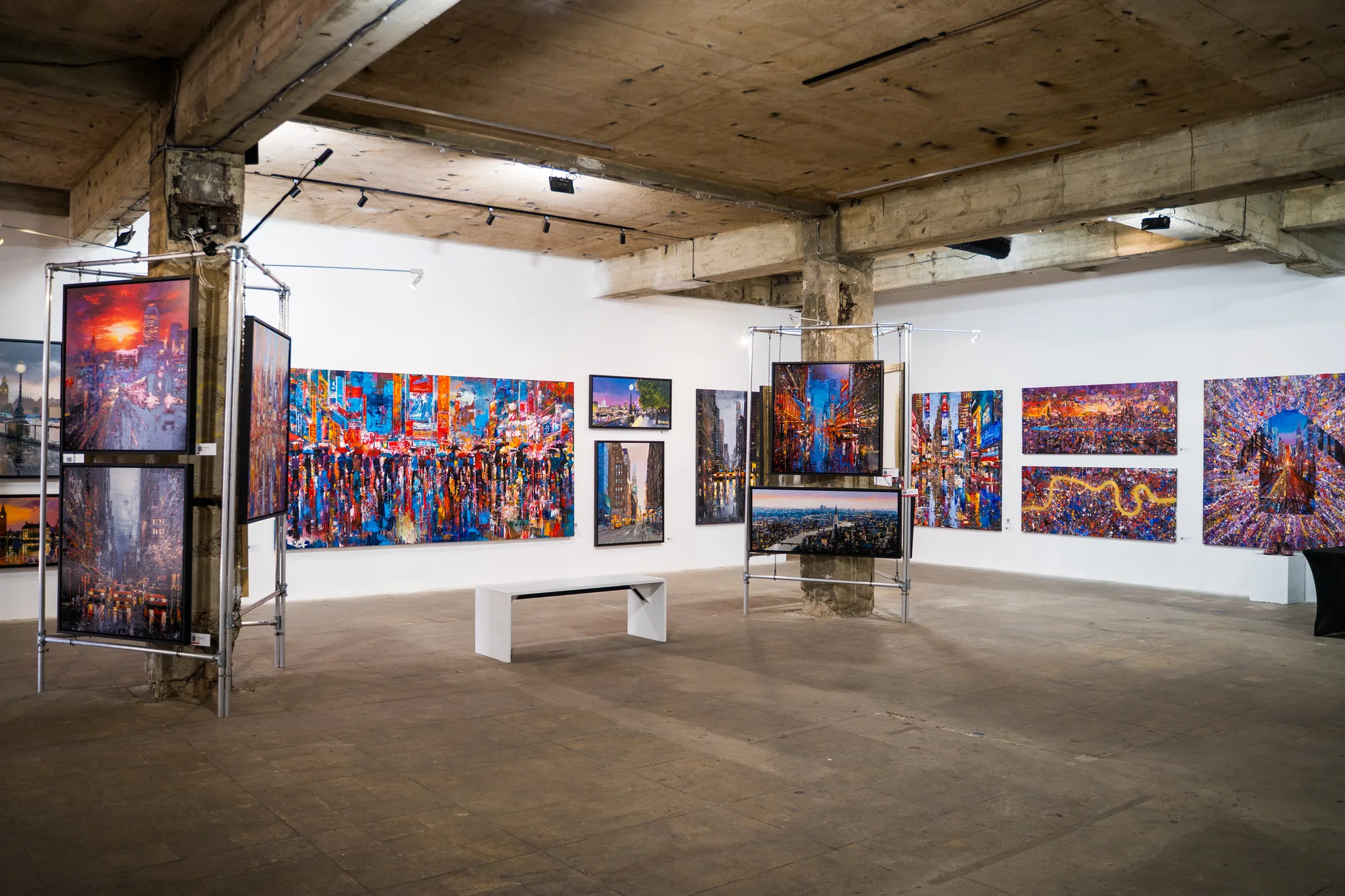
For three weeks in July 2026, Paul’s independent exhibition filled 6,000 square feet of the Bomb Factory Art Foundation on Marylebone Road, designed, built and run by his own team.
Firstly I want to say thank you to all my collectors, old and new, for supporting me on my journey, and to all the people who took the time to come and see my show. It was awesome to see so many people enjoying my work.
Paul Kenton’s independent exhibition Urban Echoes took place on Marylebone Road, London, in July 2026, at the Bomb Factory Art Foundation: 6,000 square feet of floor space, and a great deal of wall.
The exhibition ran for three weeks and had a wonderful reception, from Paul’s private collectors on the opening night and from the public in the weeks after. It was equally wonderful to find homes for a number of large-scale studio works, and many smaller originals.
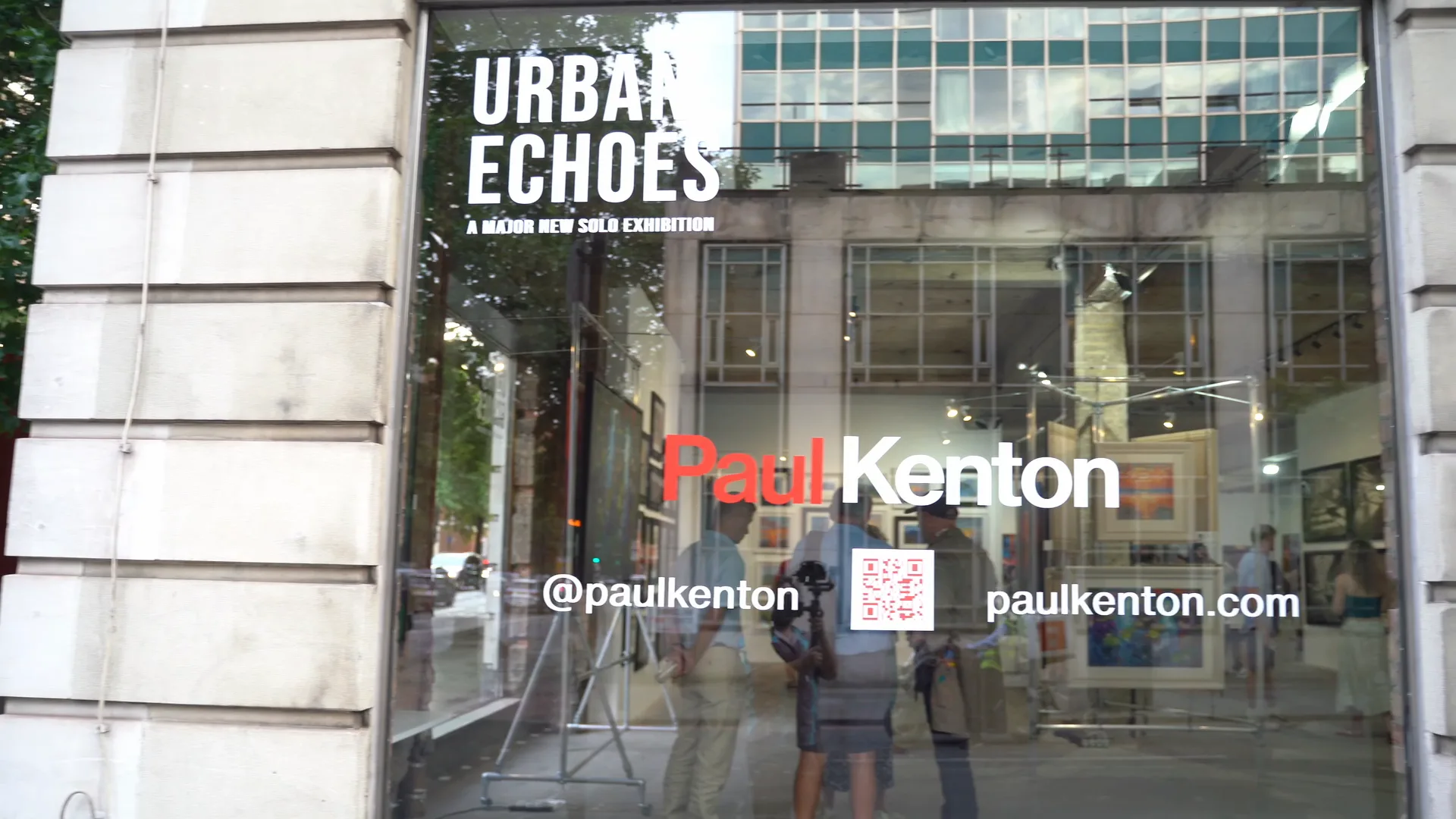
The opening night and the weeks that followed at the Bomb Factory Art Foundation.
To witness first hand the moment of connection as people come into contact with the work is a truly wonderful thing to experience, and it is the reason why we ran an exhibition of this scale.
Paul took this monumental challenge in his stride, as an opportunity to celebrate six years of artistic development and to push his own boundaries: as a creative, and as an artist running his own business, forging his own brand and curating his exhibition outside gallery control.
Carving his own path through the contemporary art world, this chapter signified autonomy, and a true evolution into a contemporary heavyweight rather than being boxed into the status quo.
Use the left and right arrow keys to browse.
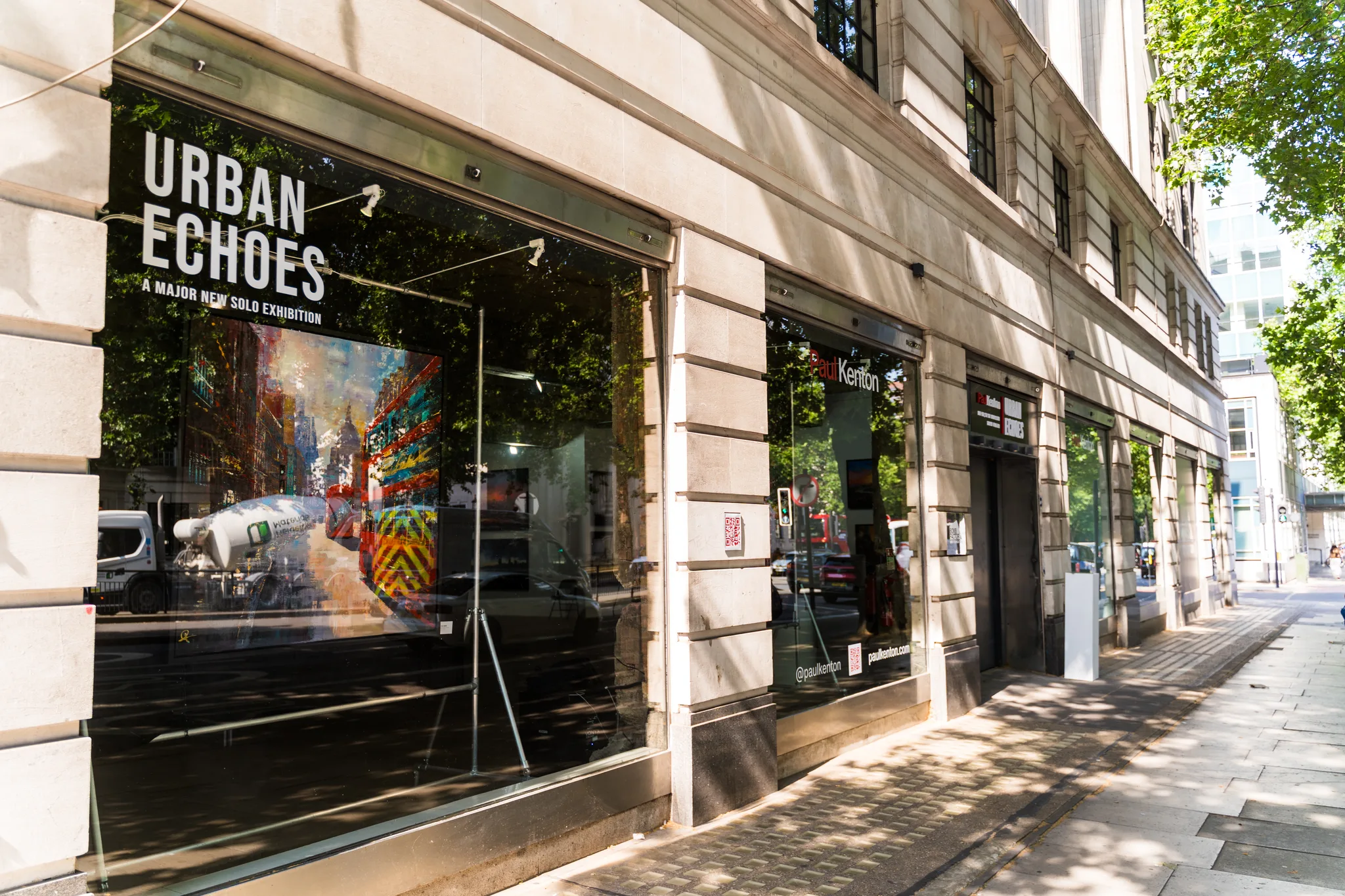
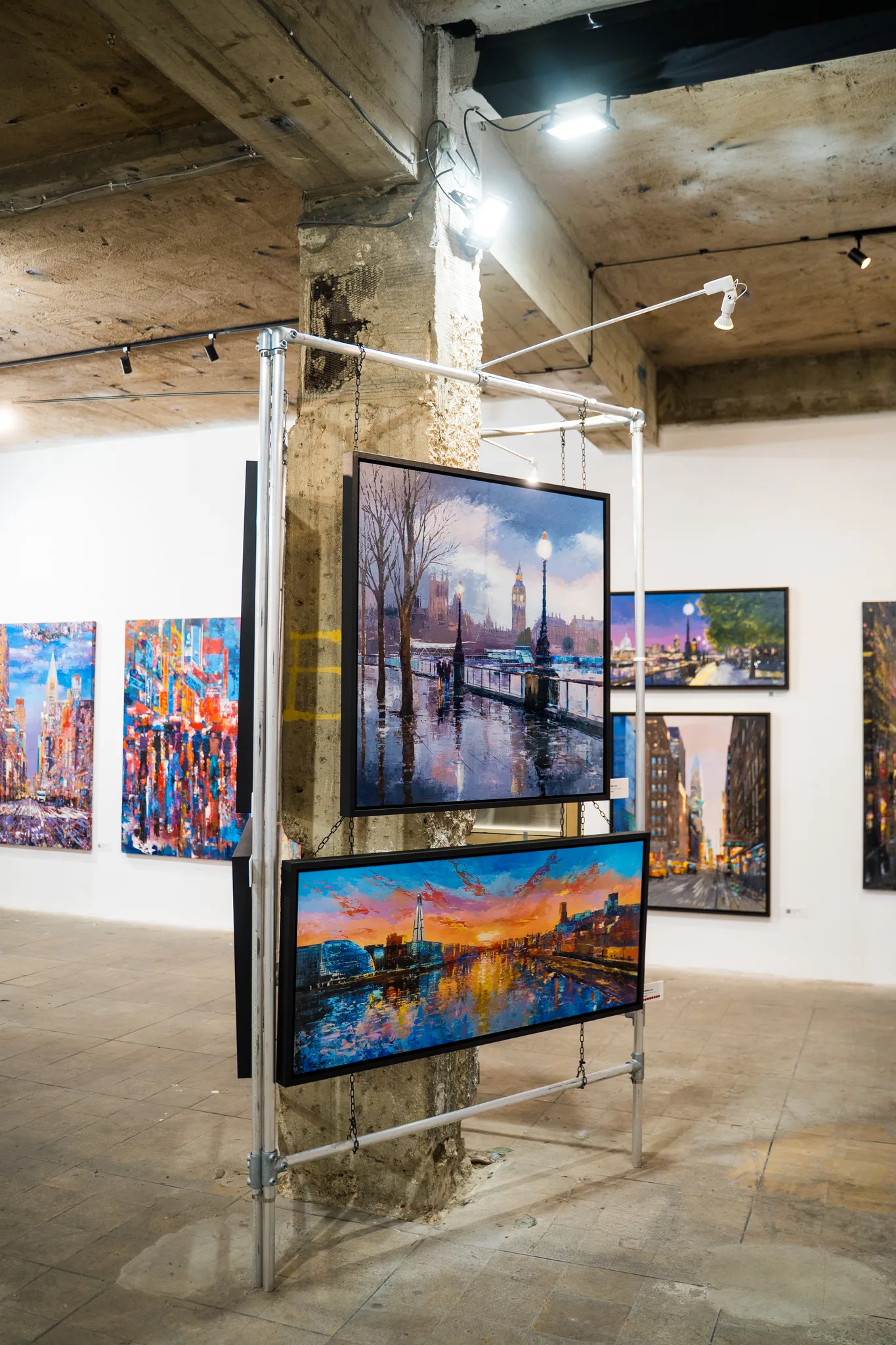
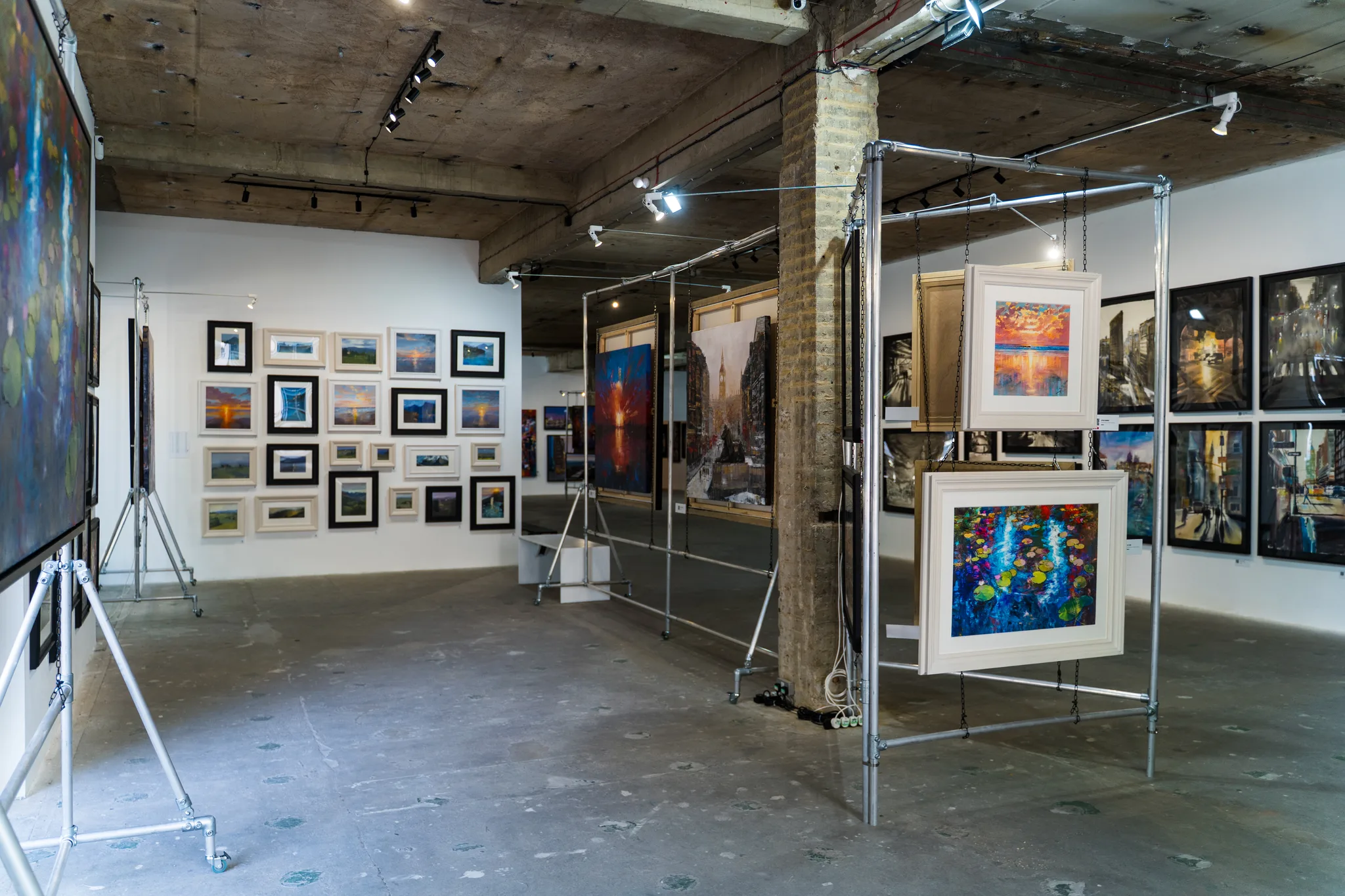
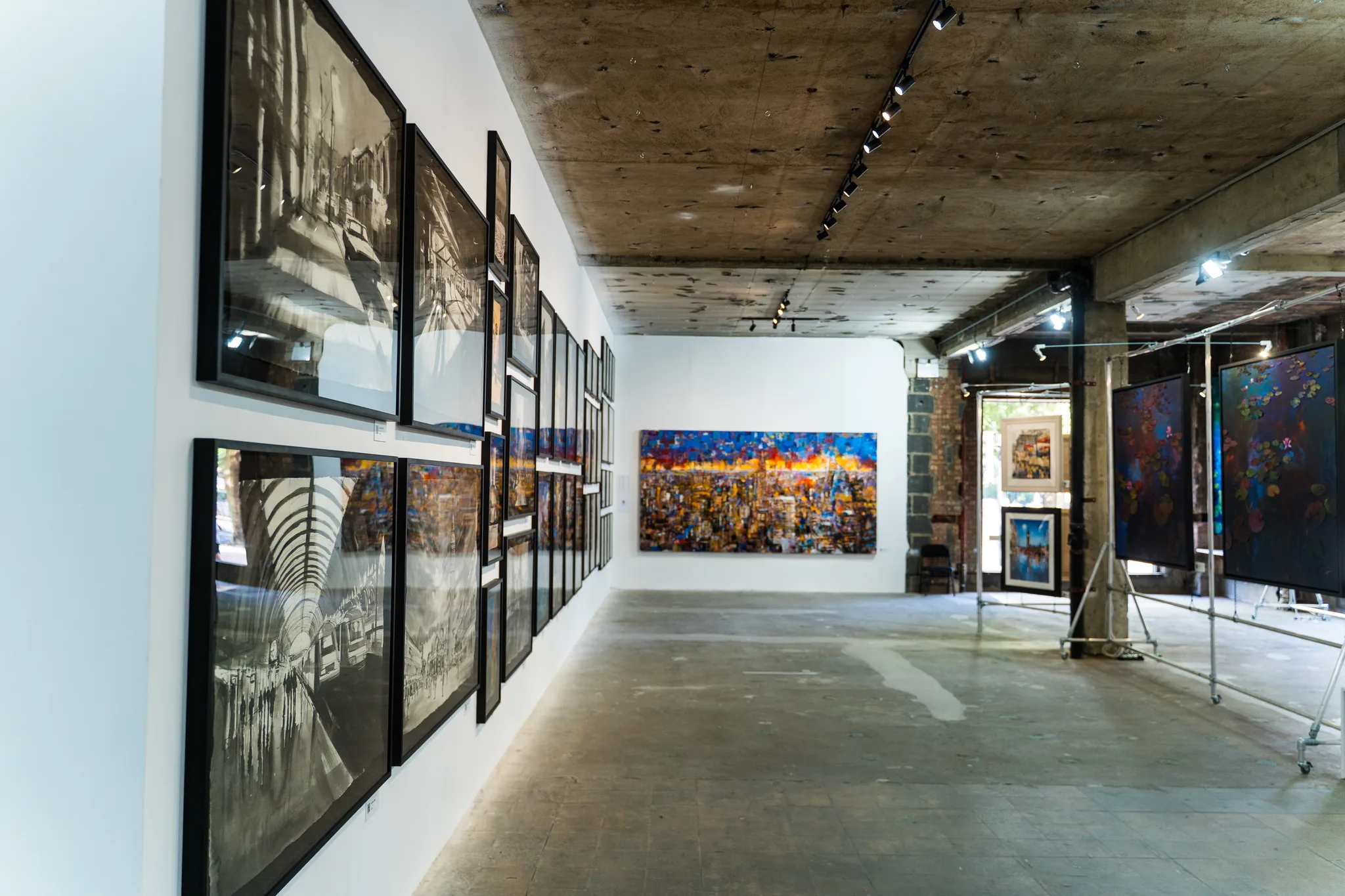
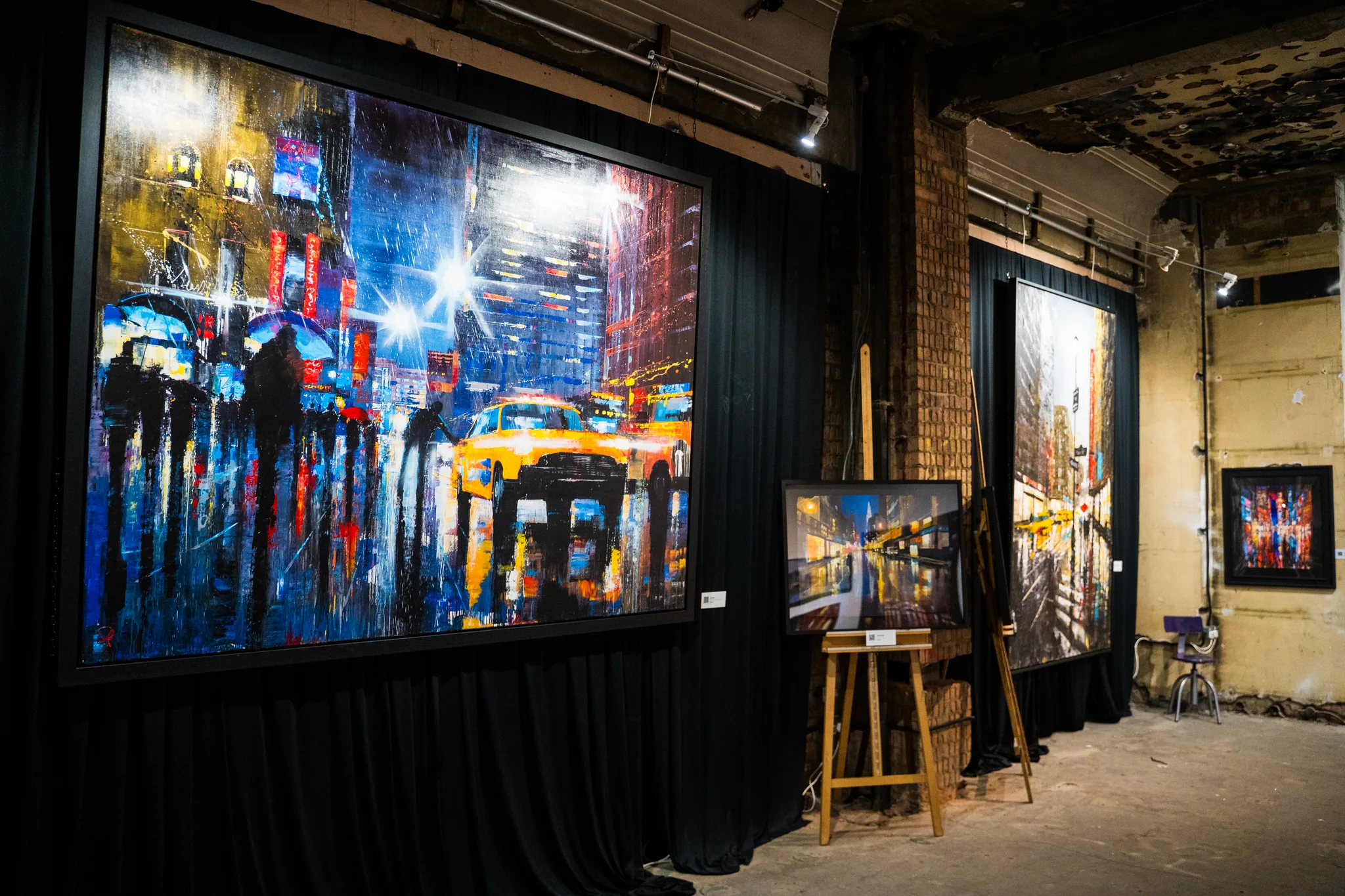
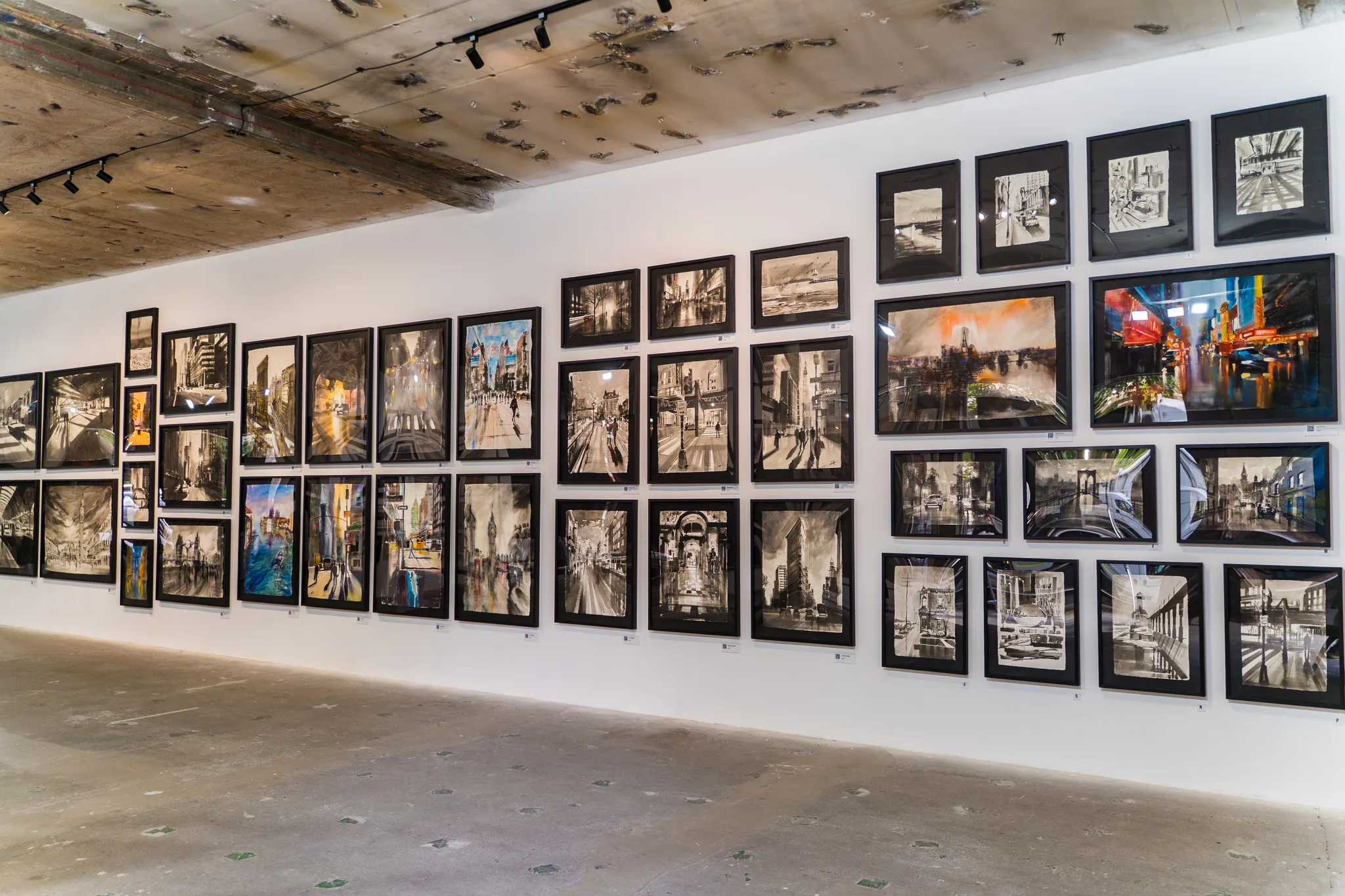
The exhibition brought together Paul’s large-scale museum-grade works, his artisan ink on Indian paper collection, plein air paintings from his many international travels and, for the first time, an immersive installation: an interactive, multi-sensory design to bring the subject at its centre to light.
This was the opportunity to really design an exhibition that captivated my imagination, to really think about the problems and find solutions. The space was perfect for experimenting, and we took so many lessons away from what we achieved.
Having control of the design allowed a true expression of how Paul imagined his exhibition. The hang blended contemporary arrangement with the grand exhibitions of the past: the French Royal Academy’s Salon, the Royal Academy Summer Exhibition in London, and the Salon des Refusés of 1863.
The Salon des Refusés was one of the catalysts of Impressionism. Many of the early Impressionists, Claude Monet, Camille Pissarro and Paul Cézanne among them, were repeatedly rejected from the Paris Salon by the conservative establishment. Paul, who was himself turned down by art school as a student, felt a particular kinship with the movement he still draws on today, and wanted to express it.
The busy, chaotic but magnificent walls were an ode to the past, set against sleek, minimal, contemporary areas of the room given over to Paul’s abstract impressionism on large-scale canvas and aluminium.
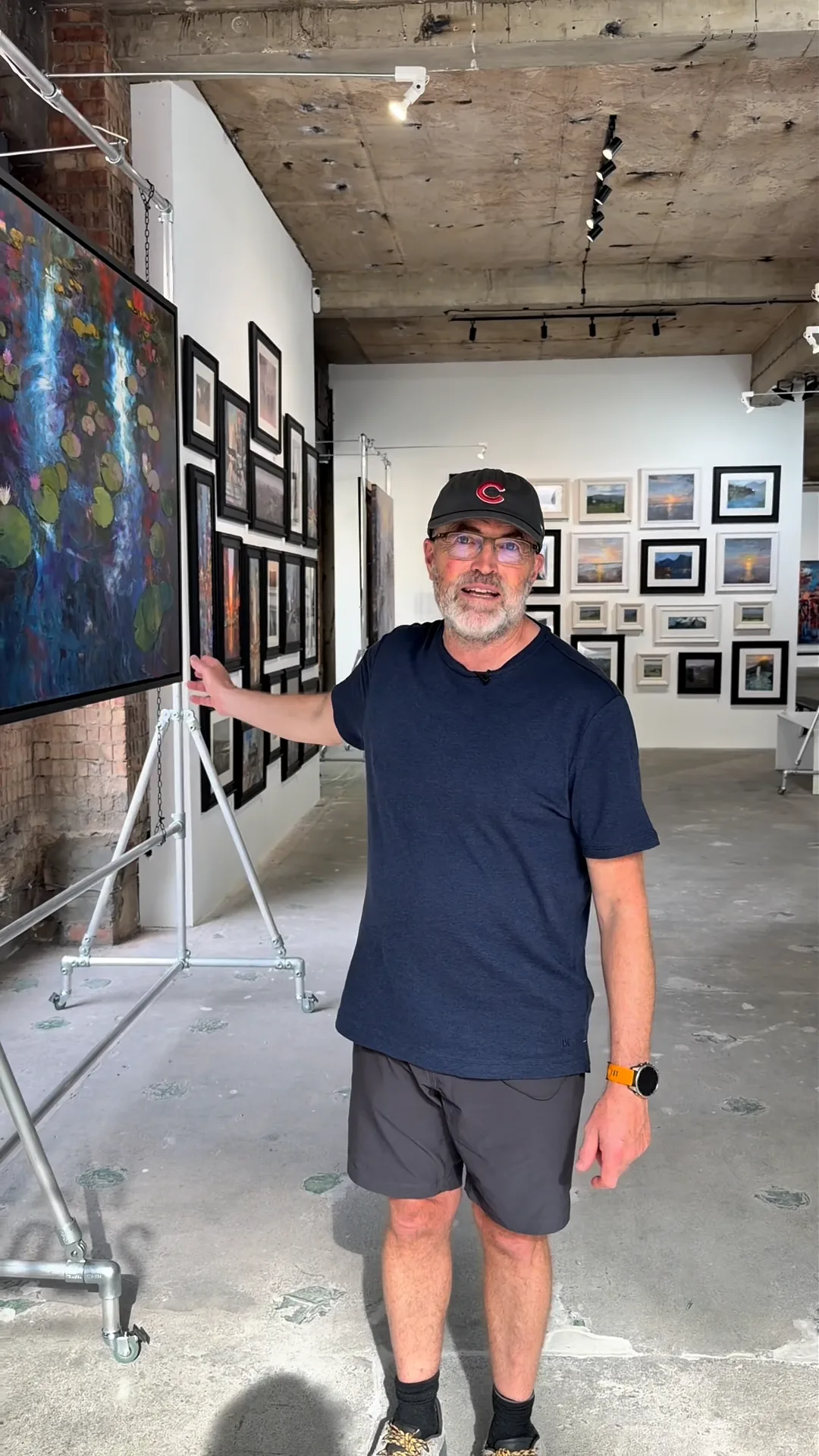
Paul’s own tour of the show, filmed during the run.
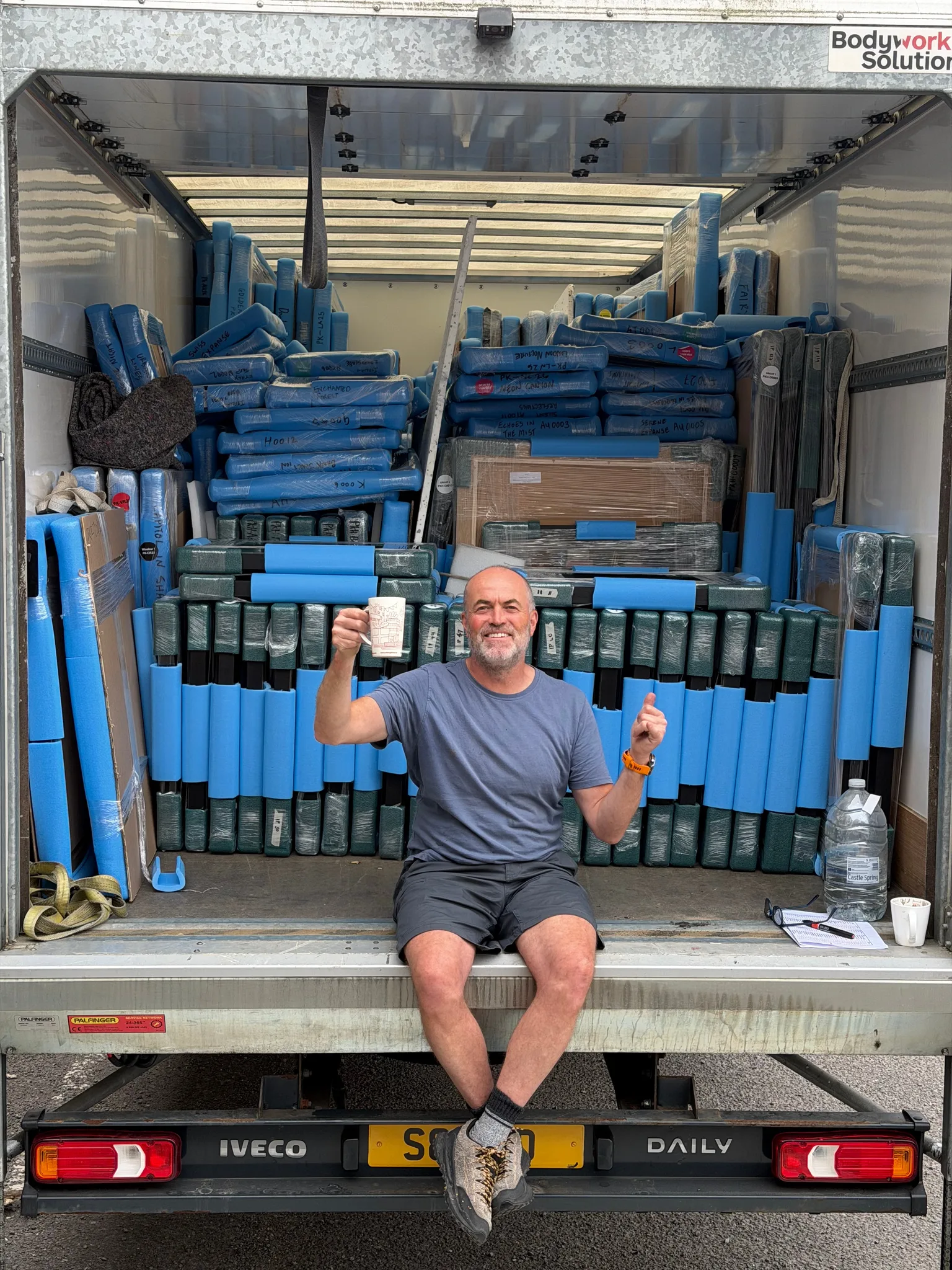
Organising the logistics was a project in itself. Two moving vans carried the paintings and materials from North Devon to London, arriving in the dead of night at around 2am. The work was unloaded, and the two-and-a-half-day set-up began.
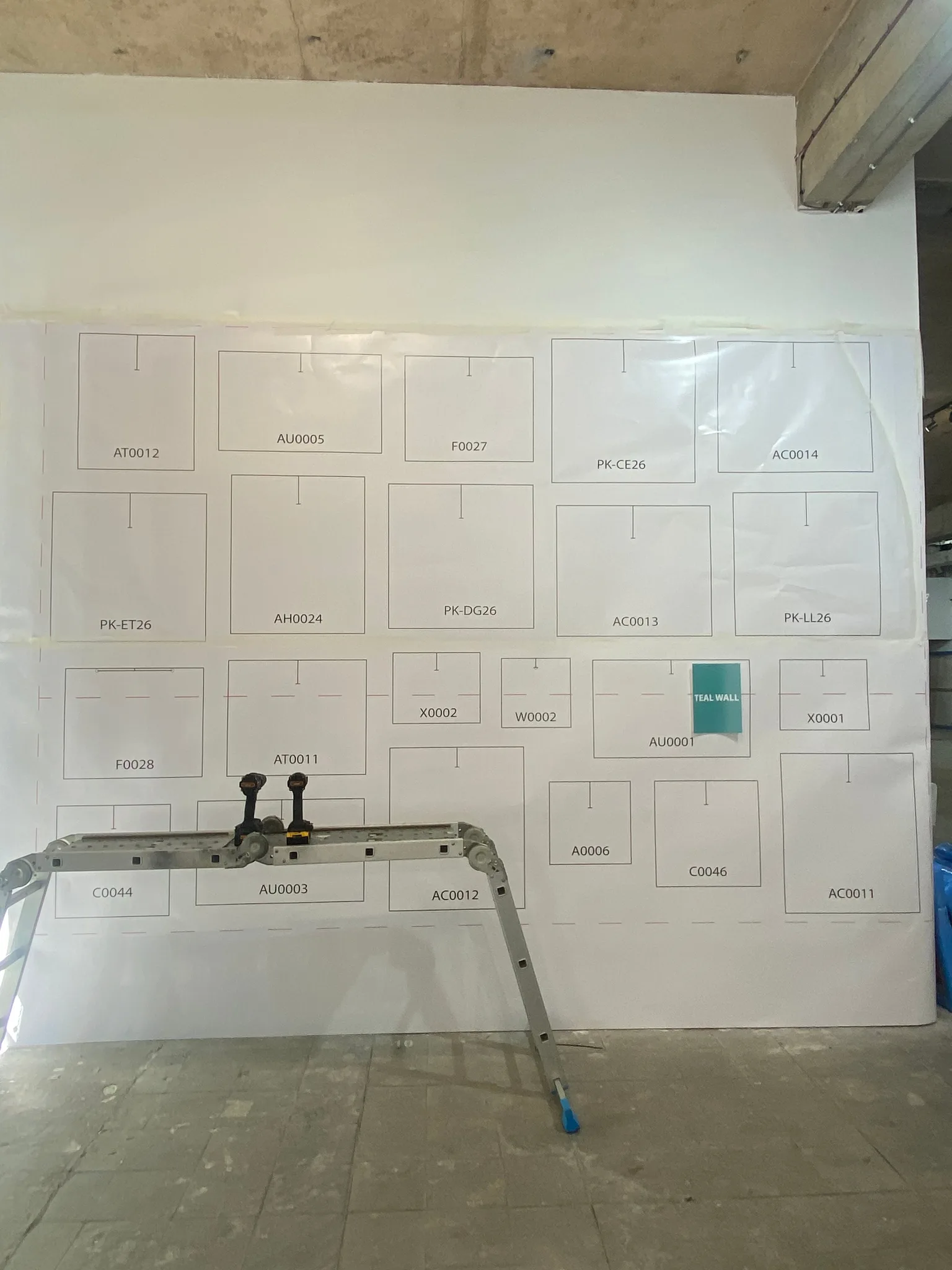
Months before, at HQ, the team planned the whole show on a 1:40 scale model of the gallery, and designed hanging systems to hold artworks in the windows and around the space.
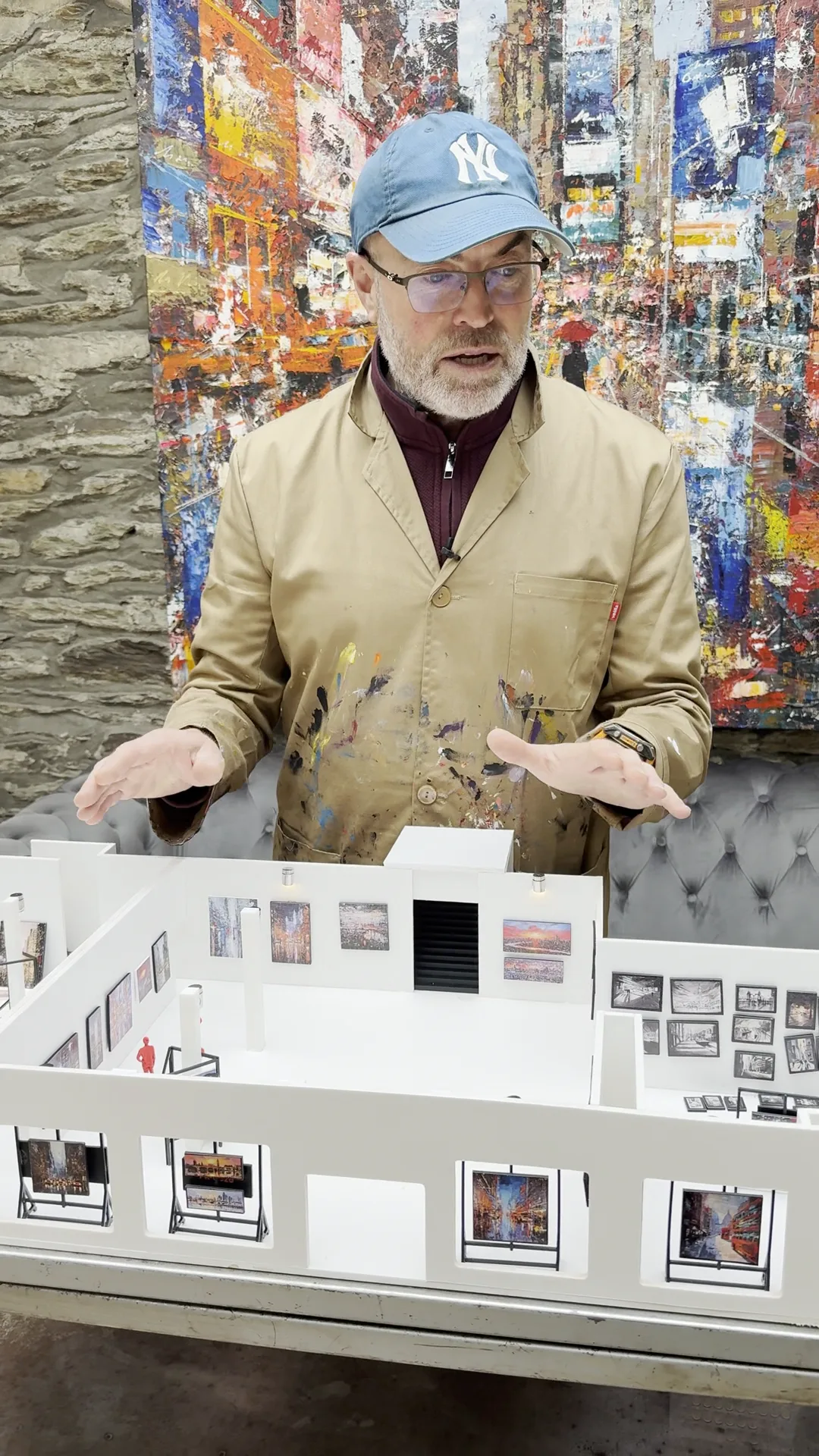
In the studio, Paul shows the 1:40 model of the show, then the full-size hanging frame it was planned around.
Use the left and right arrow keys to browse.
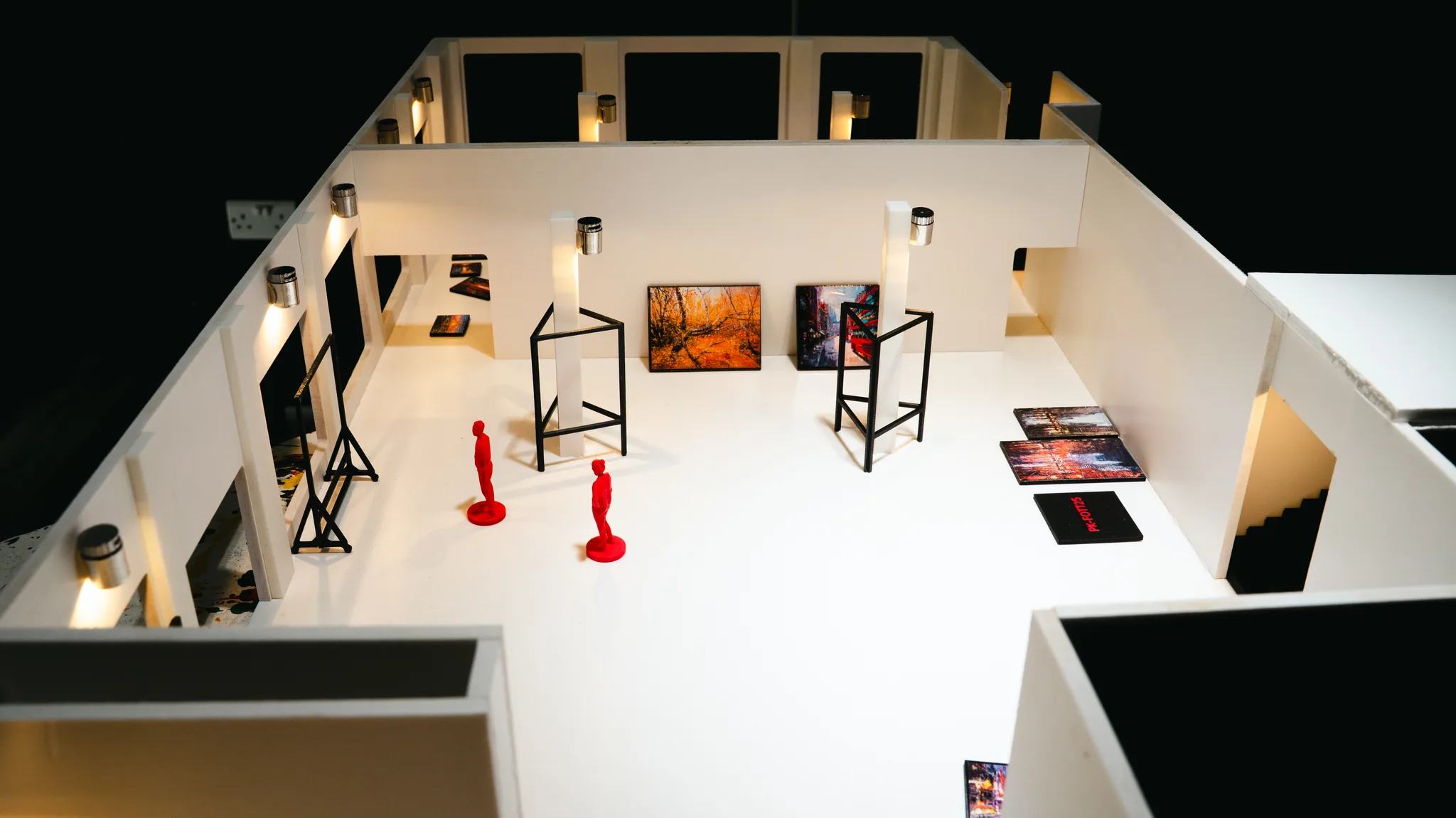
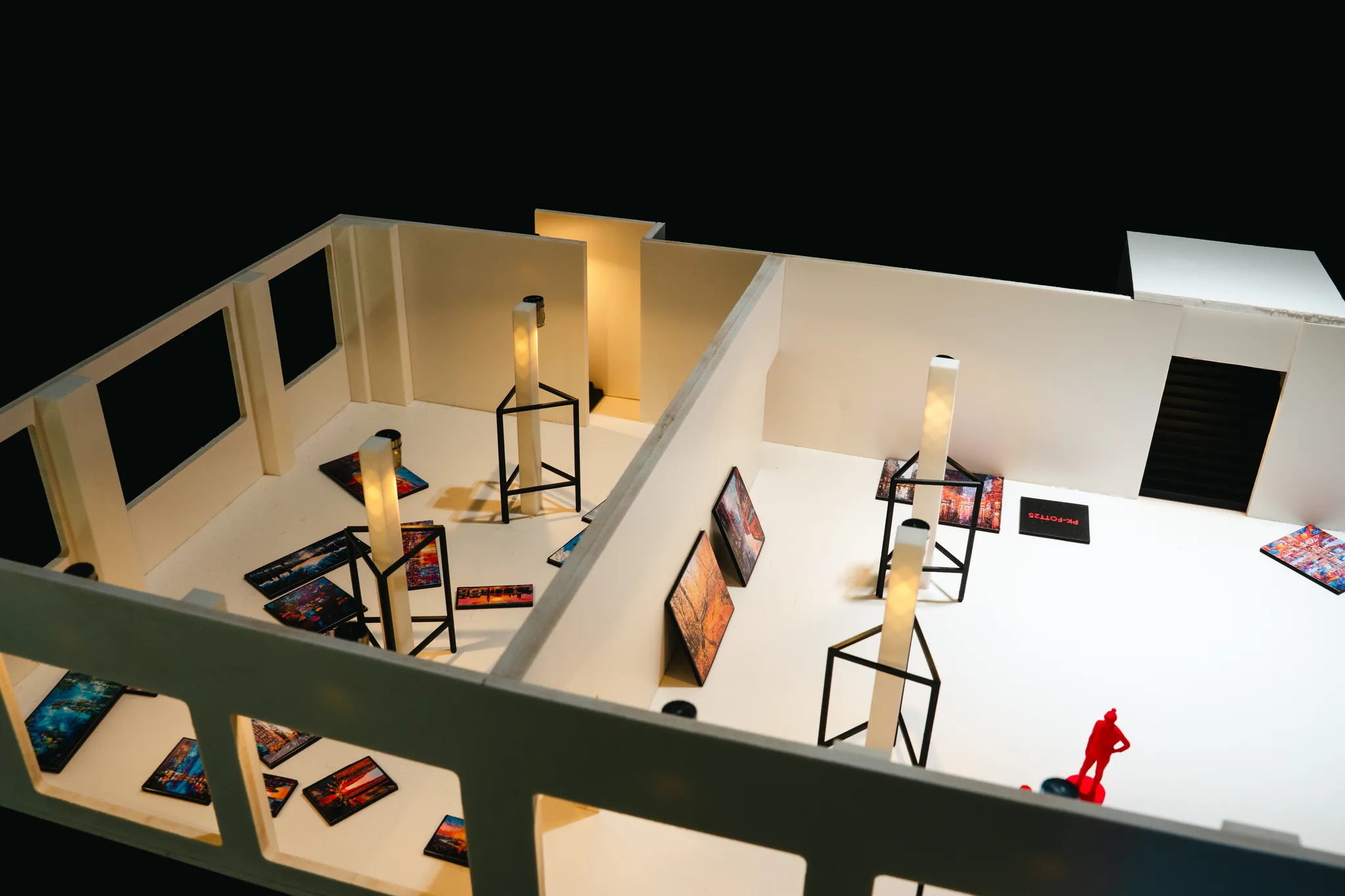
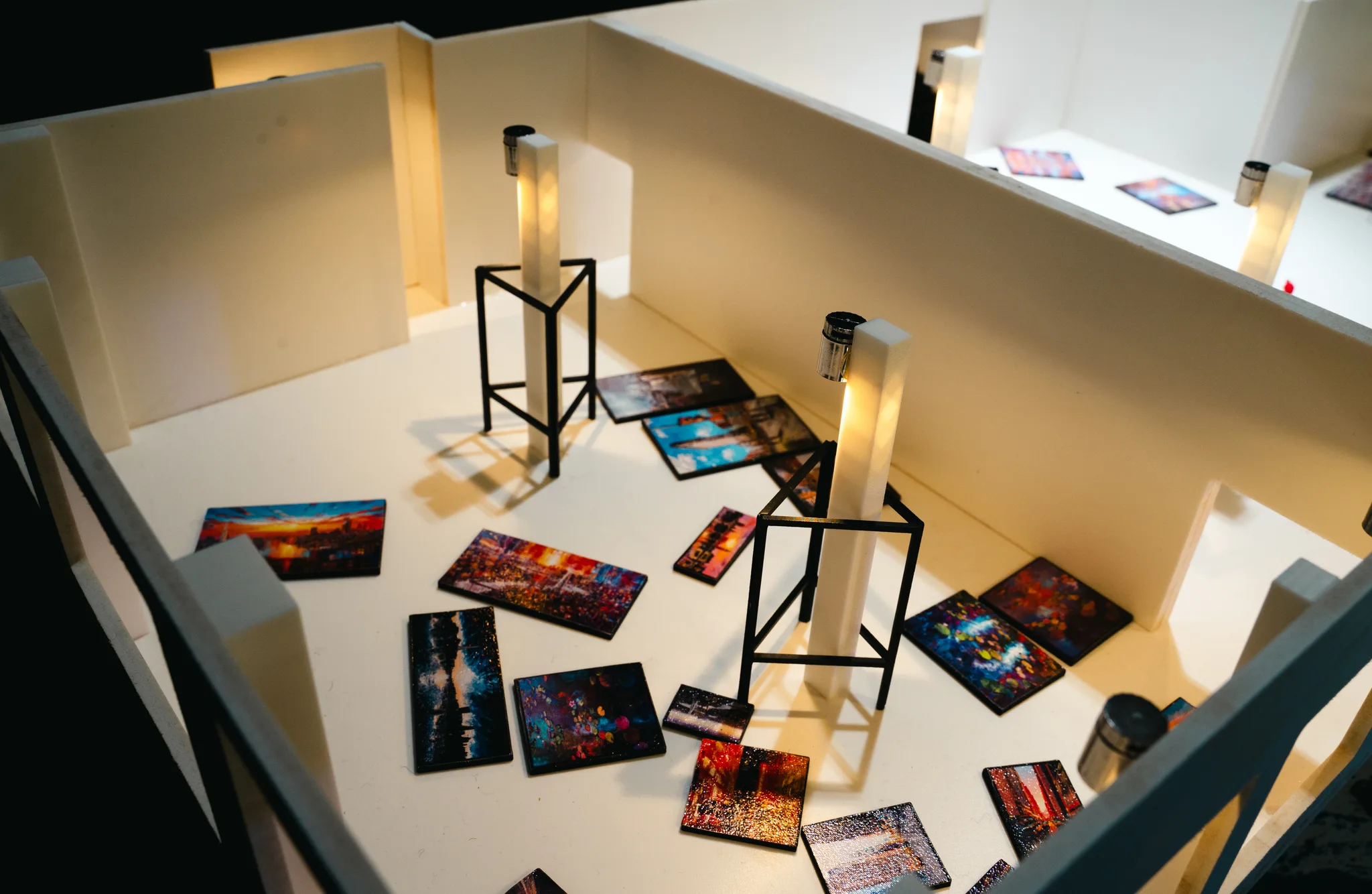
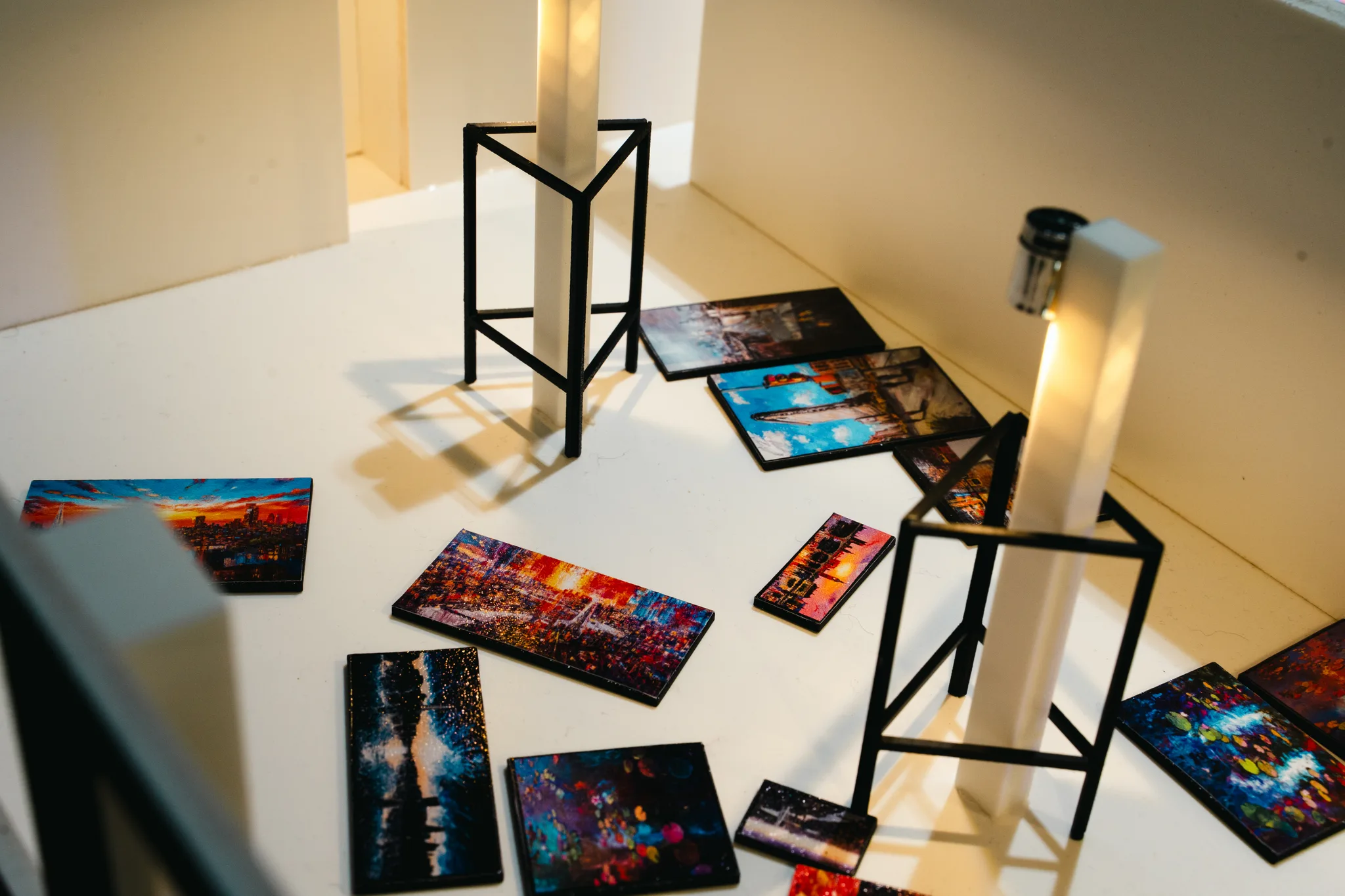
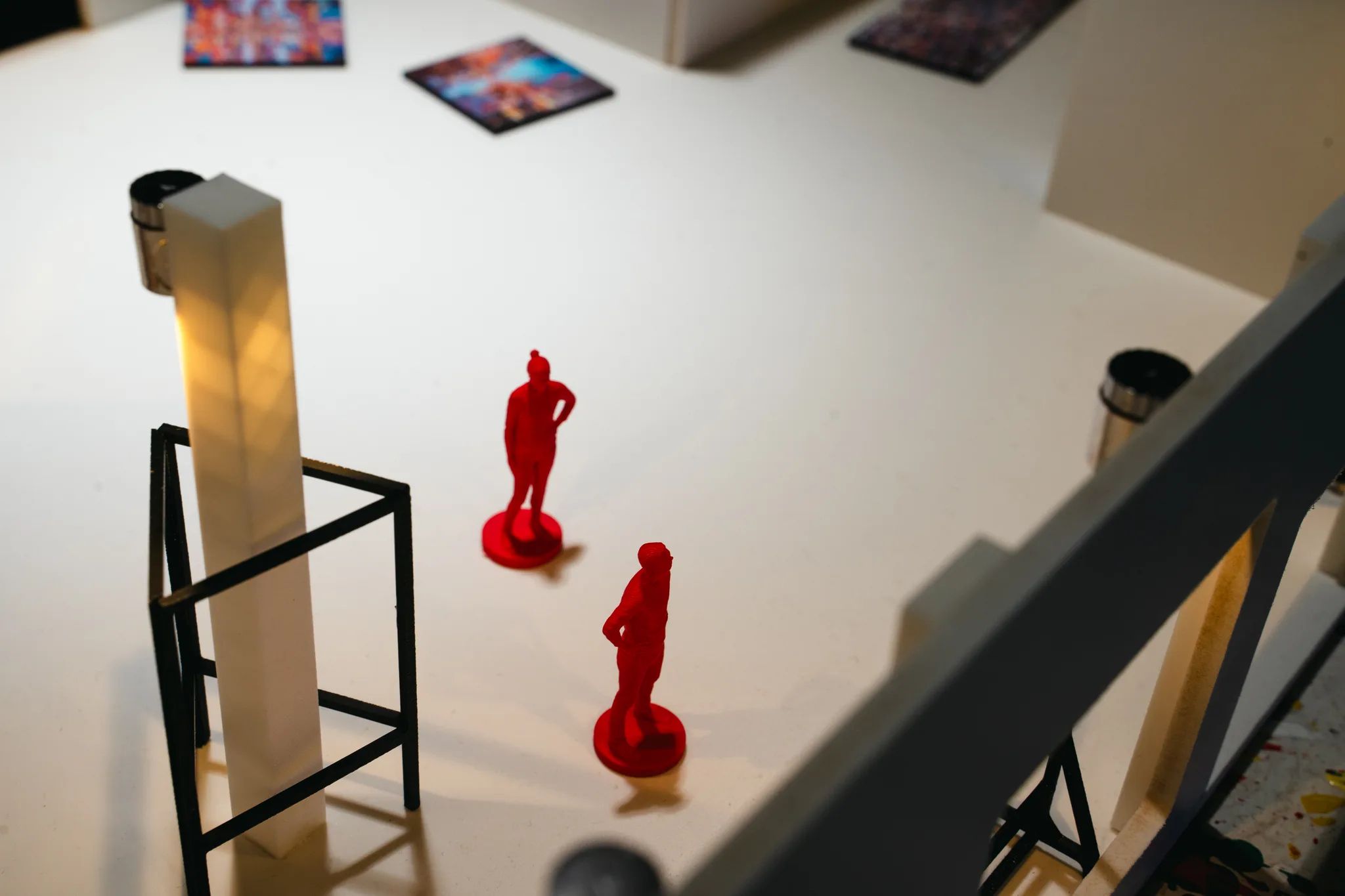
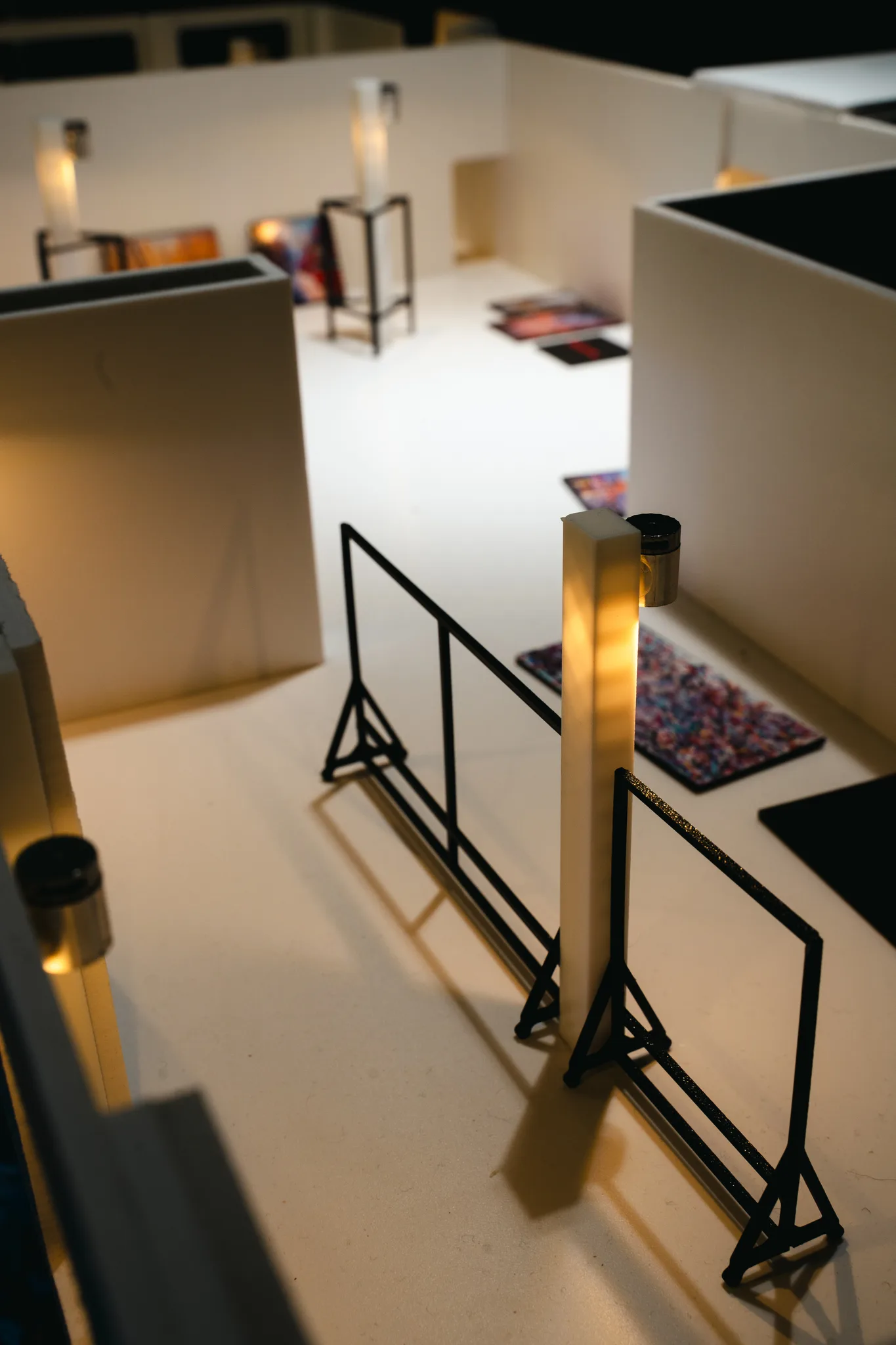
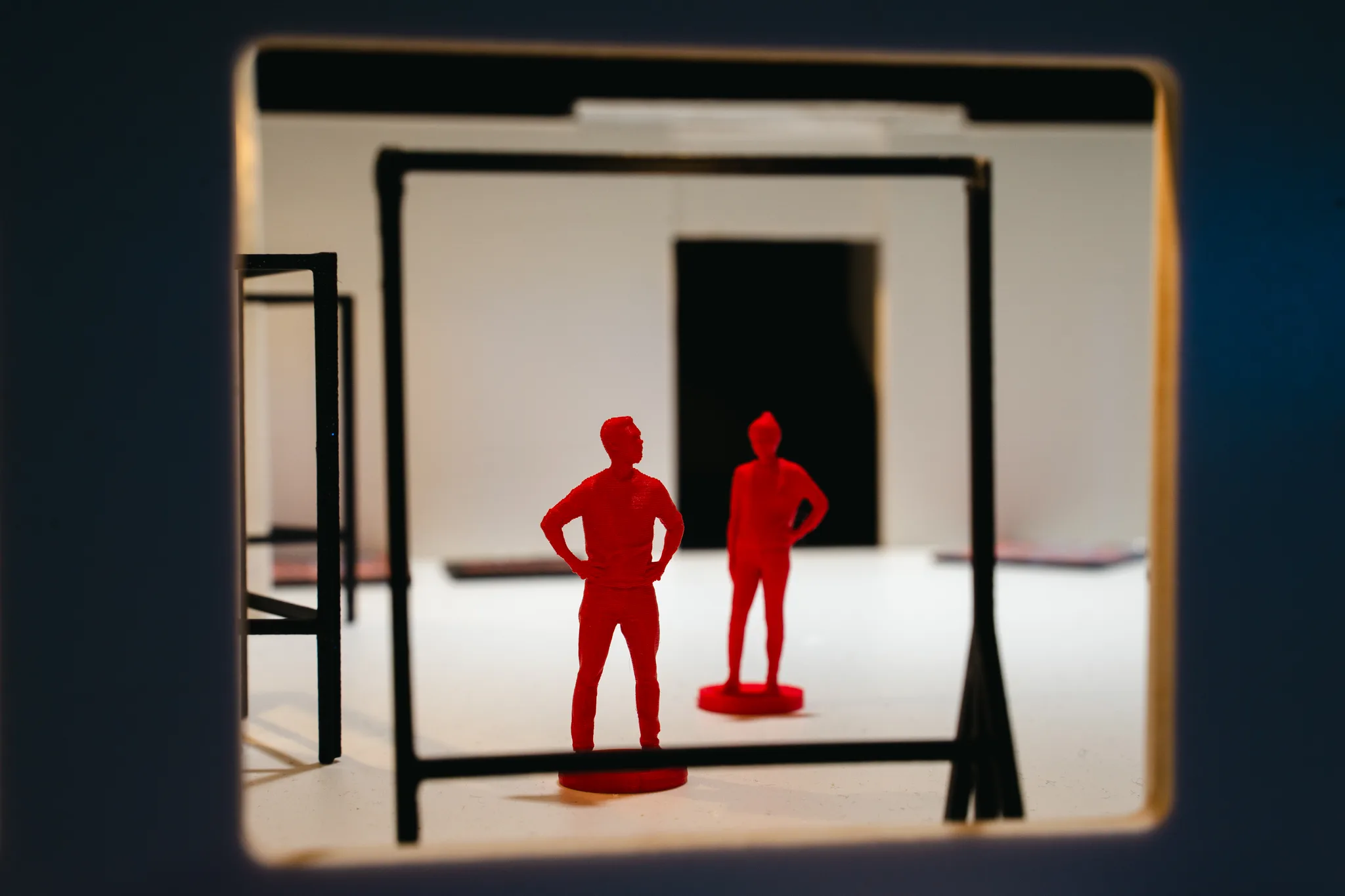
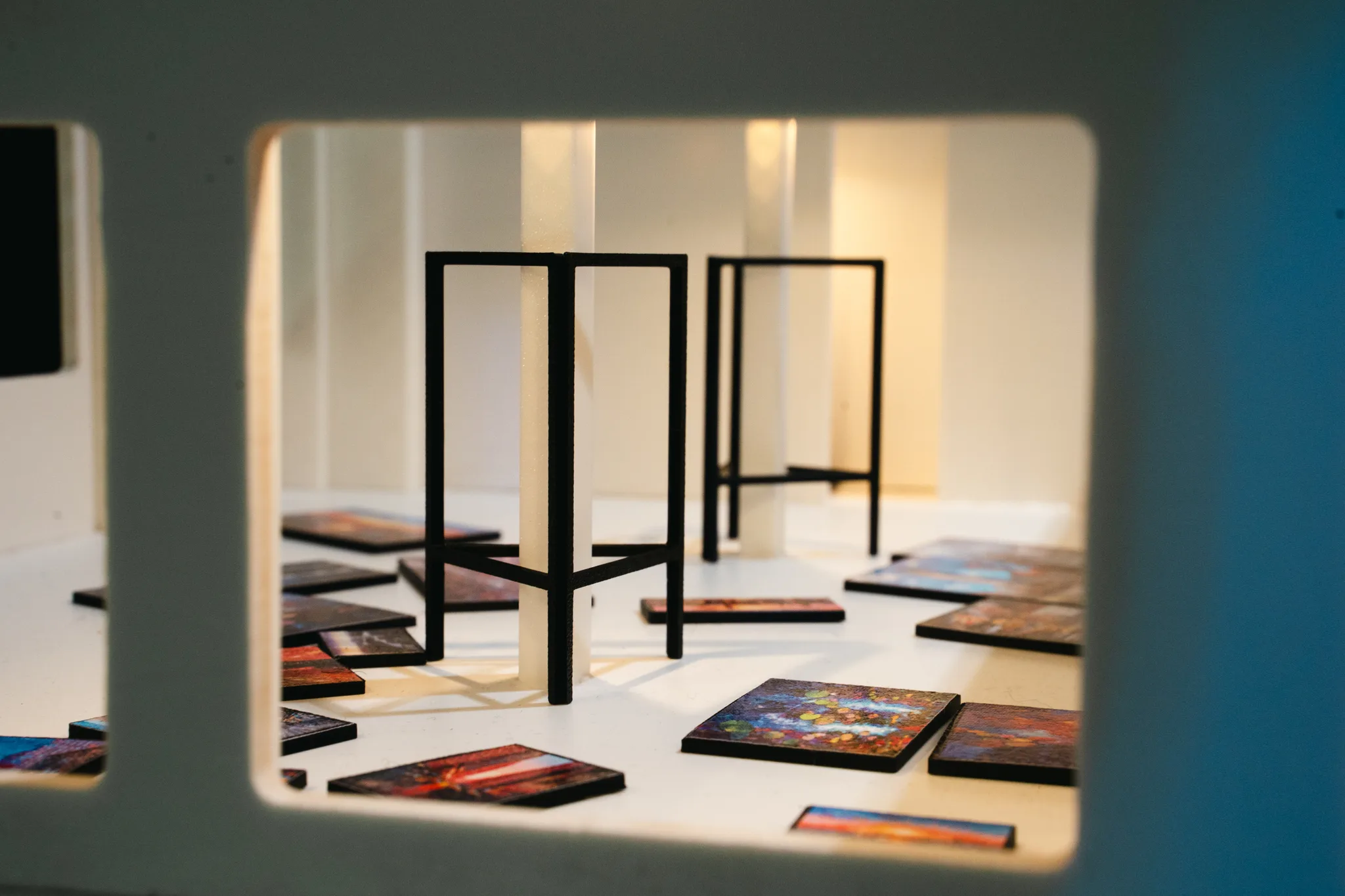
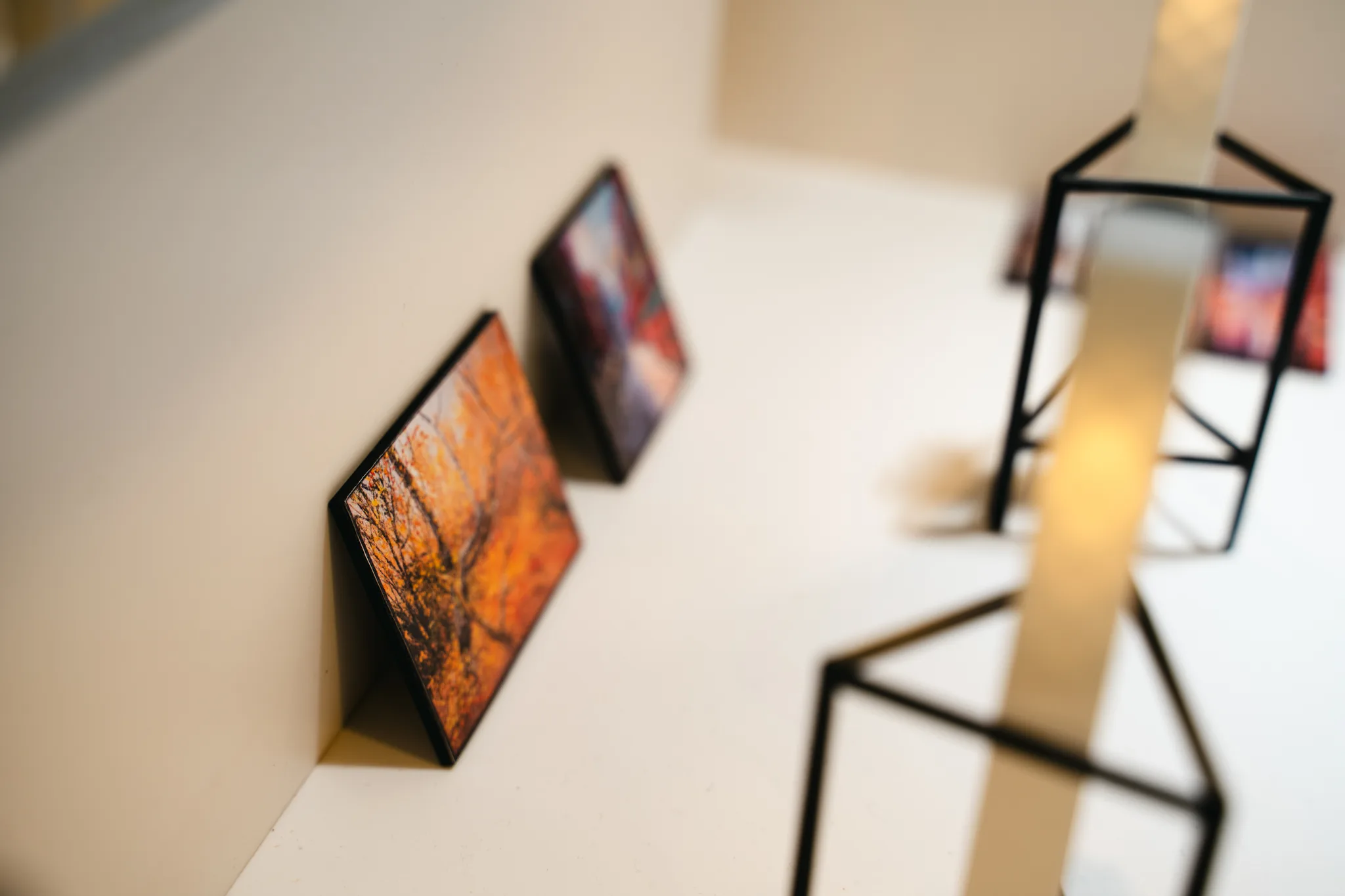
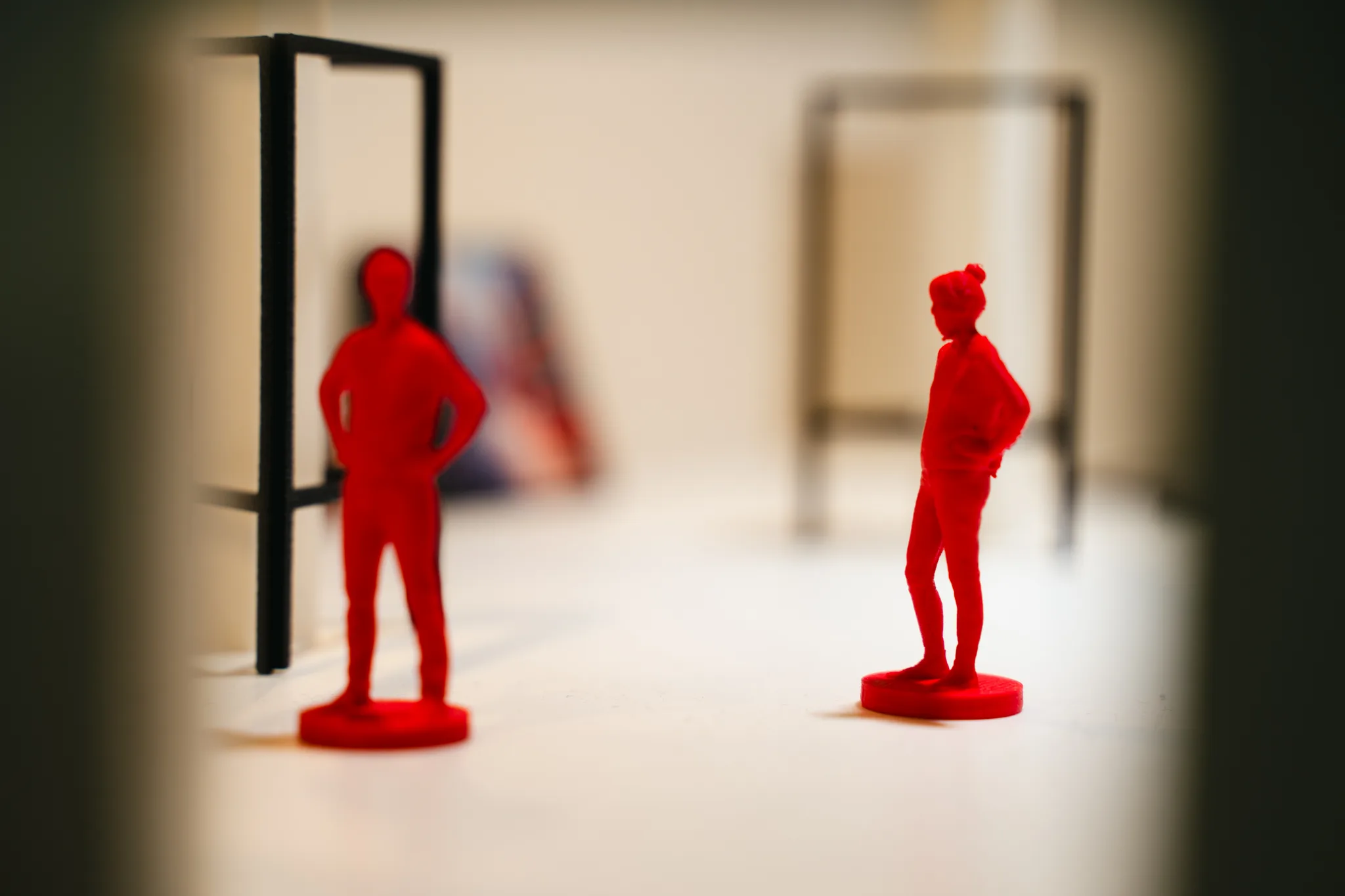
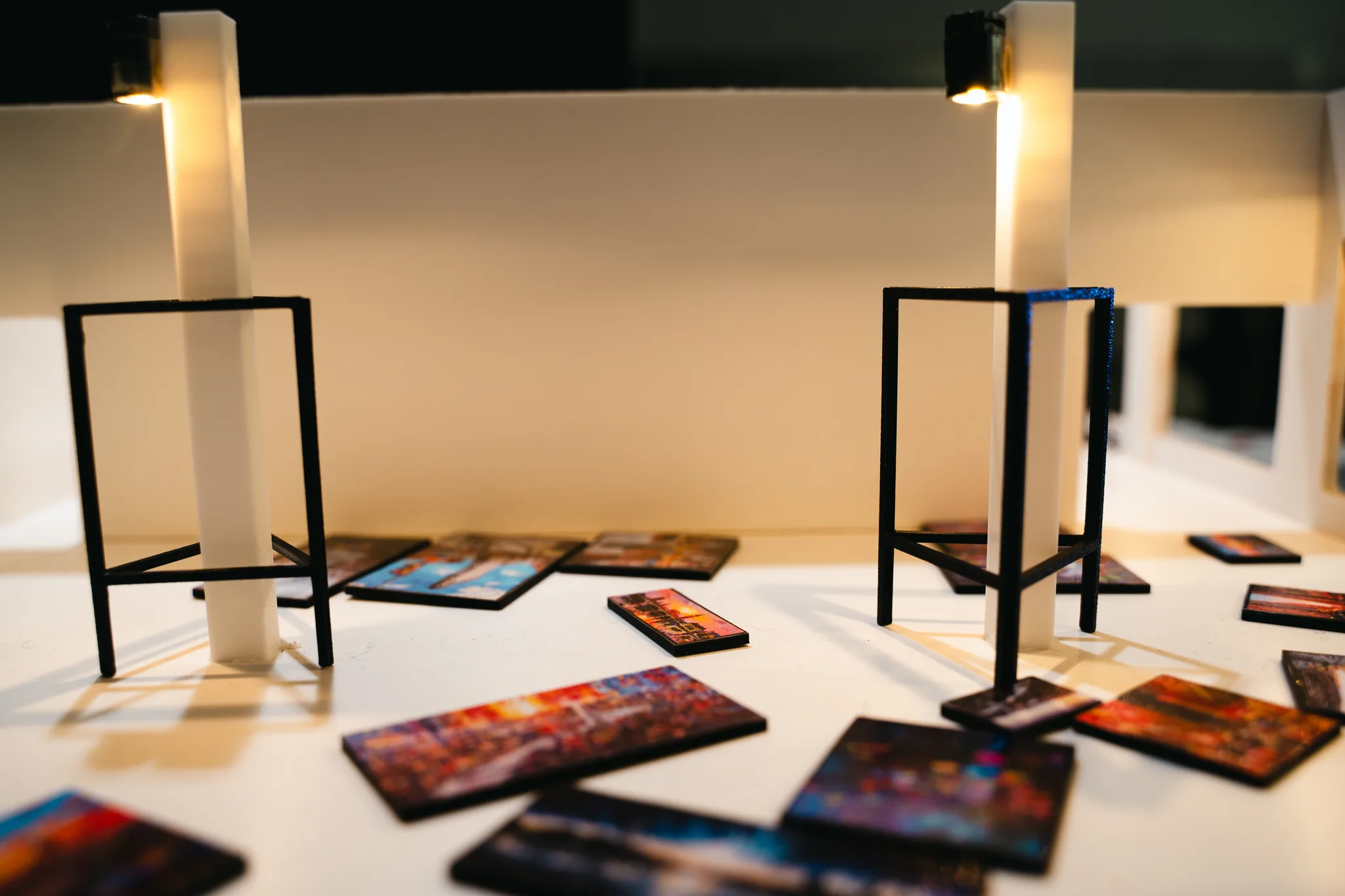
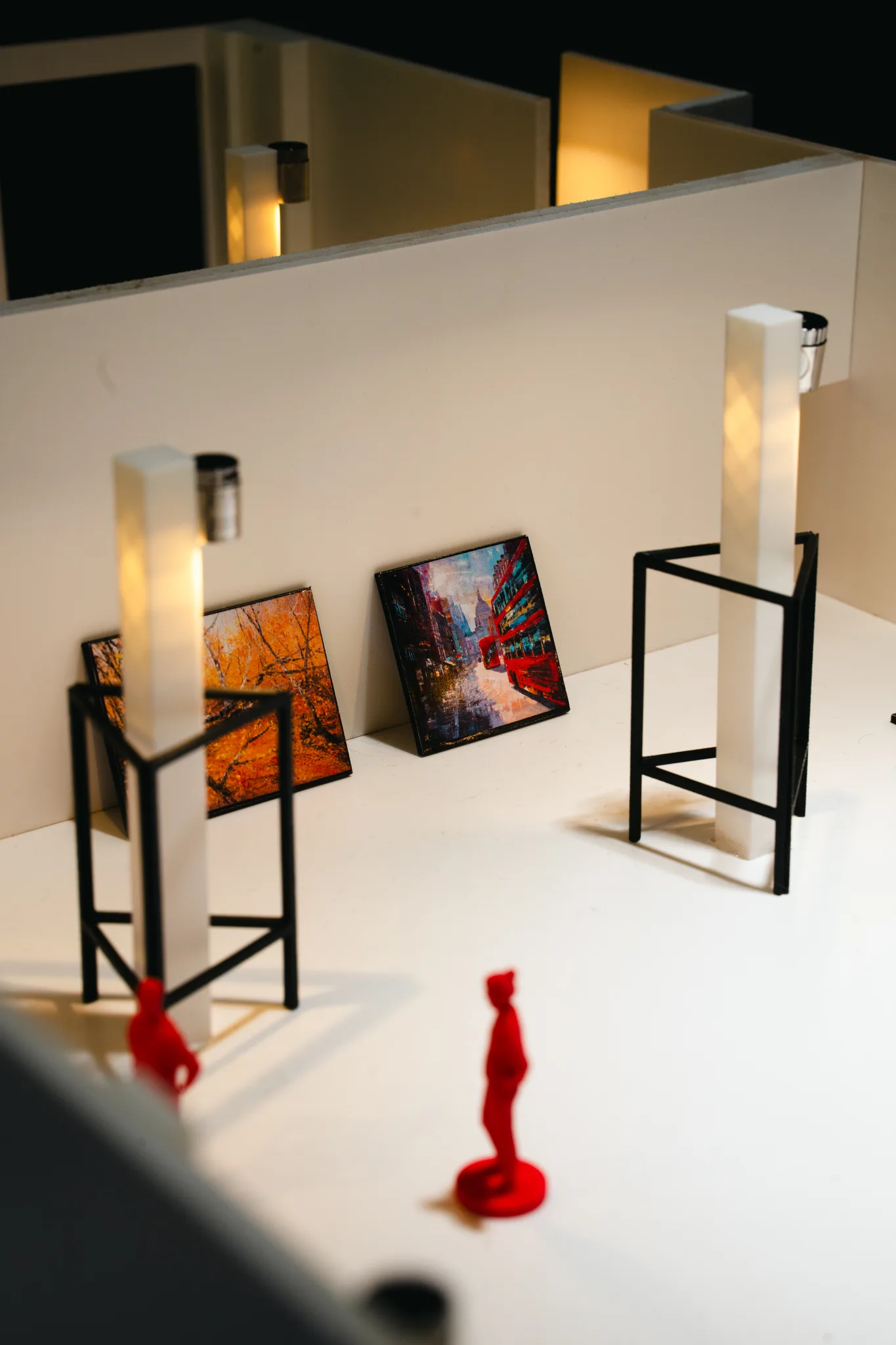
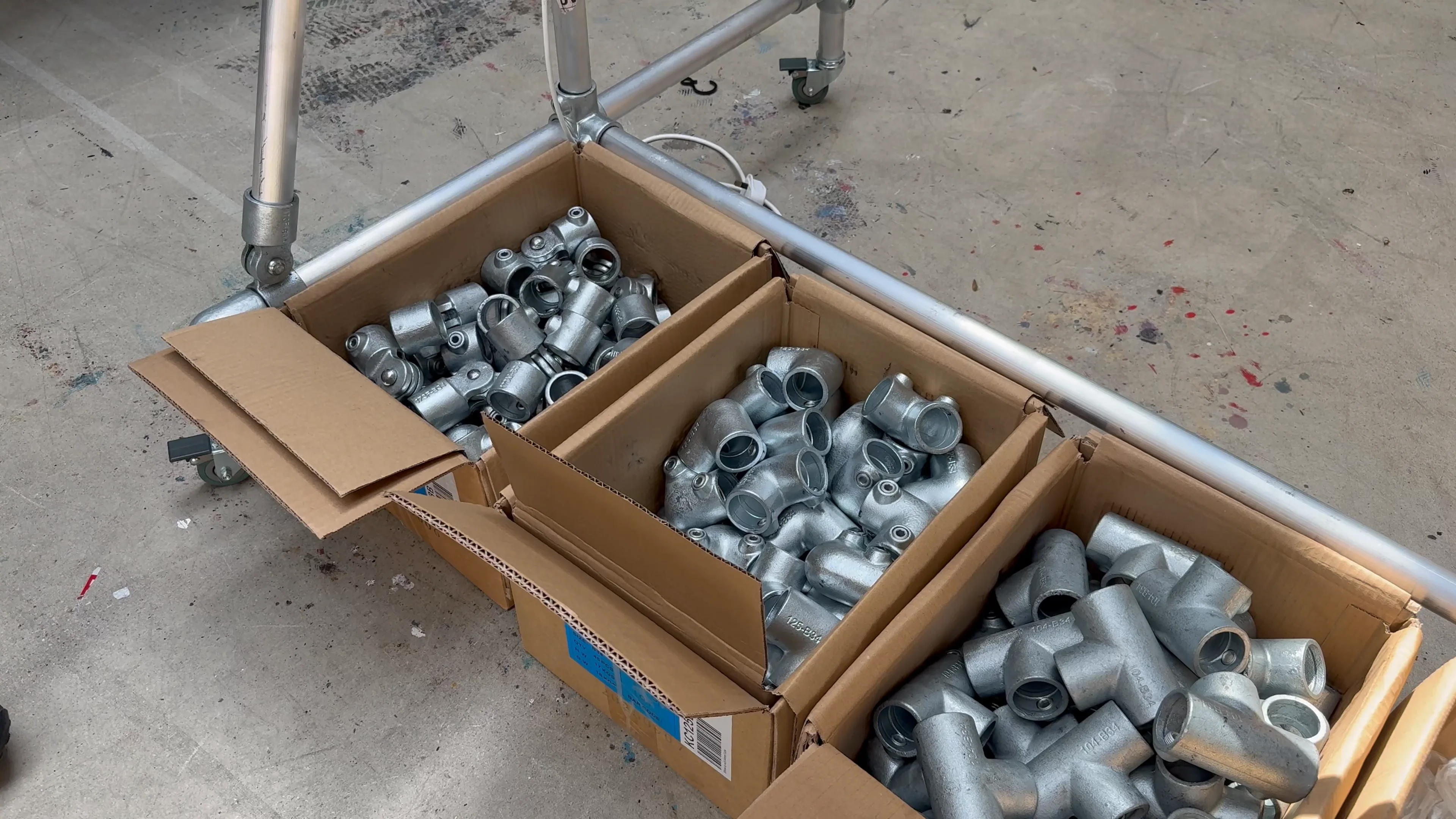
Boxes of steel fittings for the free-standing hanging frames, made at HQ.
Practically every element was designed and made in house by the team, from the artworks to the frames, the hanging systems, the audio soundscapes, the online payment systems and the immersive installation. Everyone had a role to play, and had to find their own solutions to the challenges we faced.
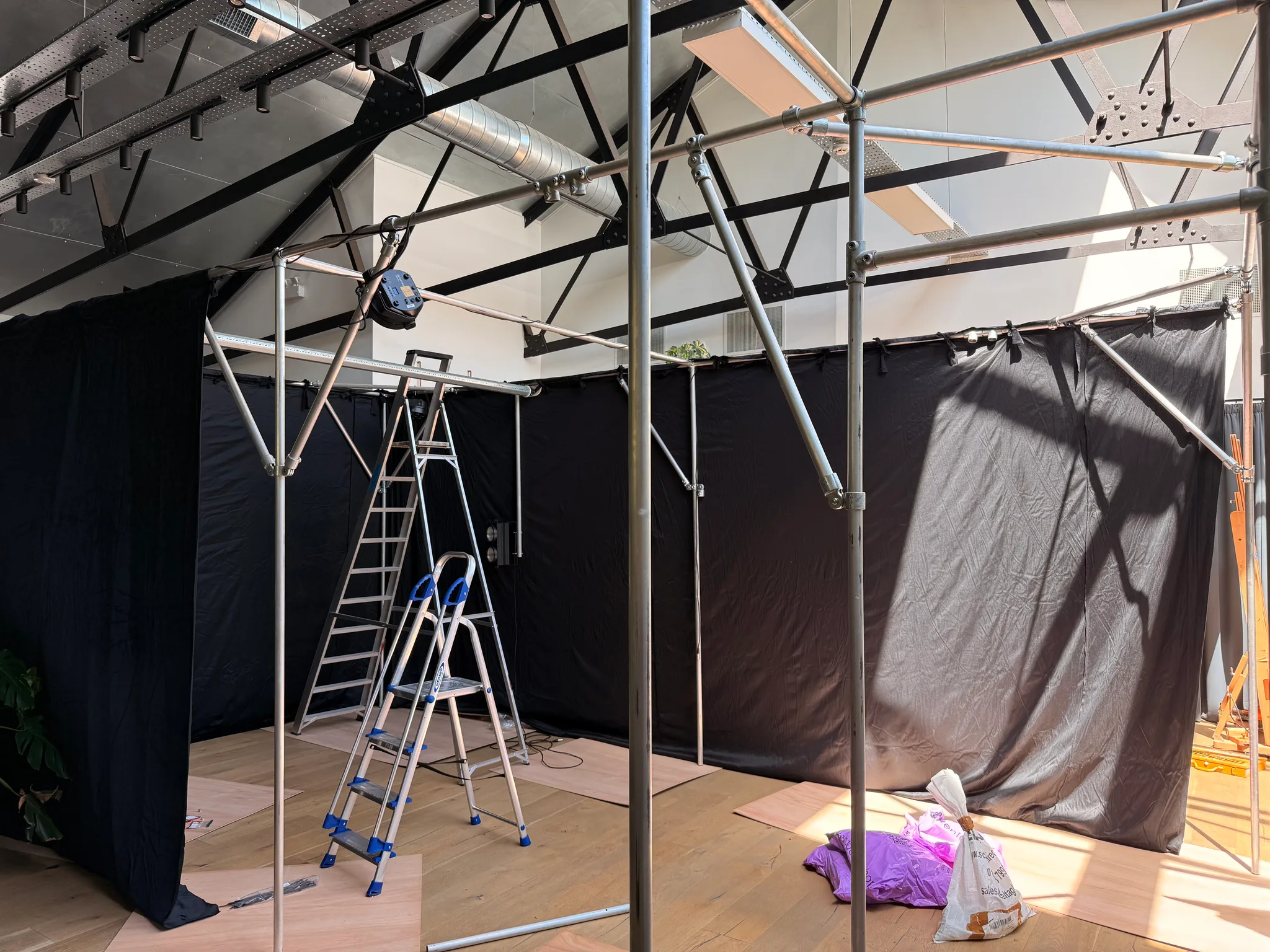
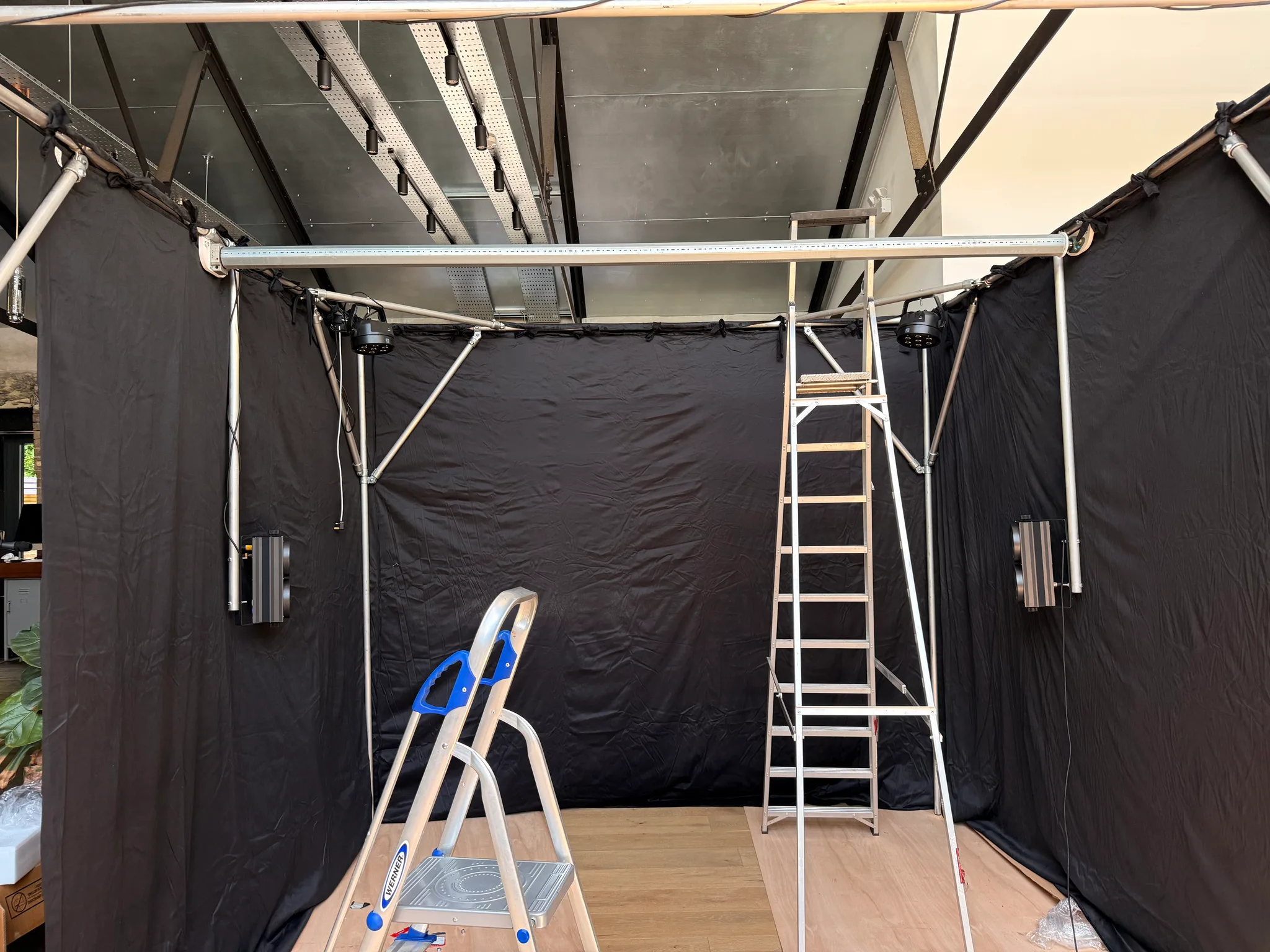
The immersive experience placed the painting Currents of Light at its centre, set in the scene and environment in which it was made. The set was hidden behind a retractable screen, driven by a custom motor and an automatic sensor designed by team member Joe Kaufman, who also designed the gallery’s hanging systems and the installation’s overall build.
As visitors walked in, a projected recording of the painting being made played across the screen. The screen became transparent to reveal the artwork behind it, then rose as the recording reached its climax, revealing the whole scene.
All of it was carried by an immersive four-point hi-fi soundscape of city ambience, composed by Will Sainsbury from field recordings made around London, to place the viewer viscerally, almost surreally, at the location itself.
The highlight for me was just to see the positive emotions and enjoyment of the public and collectors, old and new, connecting with my work in that space. At the end of the day, that’s why we do it: for our relationship to painting, and how those paintings connect with people.
Many thanks to the team, Amelia, Joe, James, Marina, Audrey, Ian, Ress, Will, Alan, Lydia and Brandon, and to the security team, for their wonderful work.